

Caregiver Training Program
Take the next step in your journey to make a meaningful impact in communities across Africa.
Why Join This Program?
We empower youth and women as caregivers through practical training for families, school aides, and volunteers, with a focus on newborn care, disability inclusion, and support for the elderly.
Program Highlights
Requirements
- Must be 18 years or older
- Basic literacy skills
- Commitment to complete full program
- Willingness to serve community for minimum 6 months post-training

Program Application
Fill out the form below to apply for this program
Explore Other Programs
Discover other ways you can make a difference and expand your impact across communities.
Mothers First
Mothers First is CARA's flagship postpartum programme, focused on the first 40 days after childbirth. Trained caregivers provide home visits, maternal education, emotional support, and newborn surveillance to promote safe recovery and bonding.

Inclusive Care
CARA's Inclusive Care programme empowers families and schools to provide dignified support for children and people with special needs. We strengthen caregiving at home while promoting inclusive education in classrooms, ensuring that every child has the opportunity to learn and thrive.
CareBridge
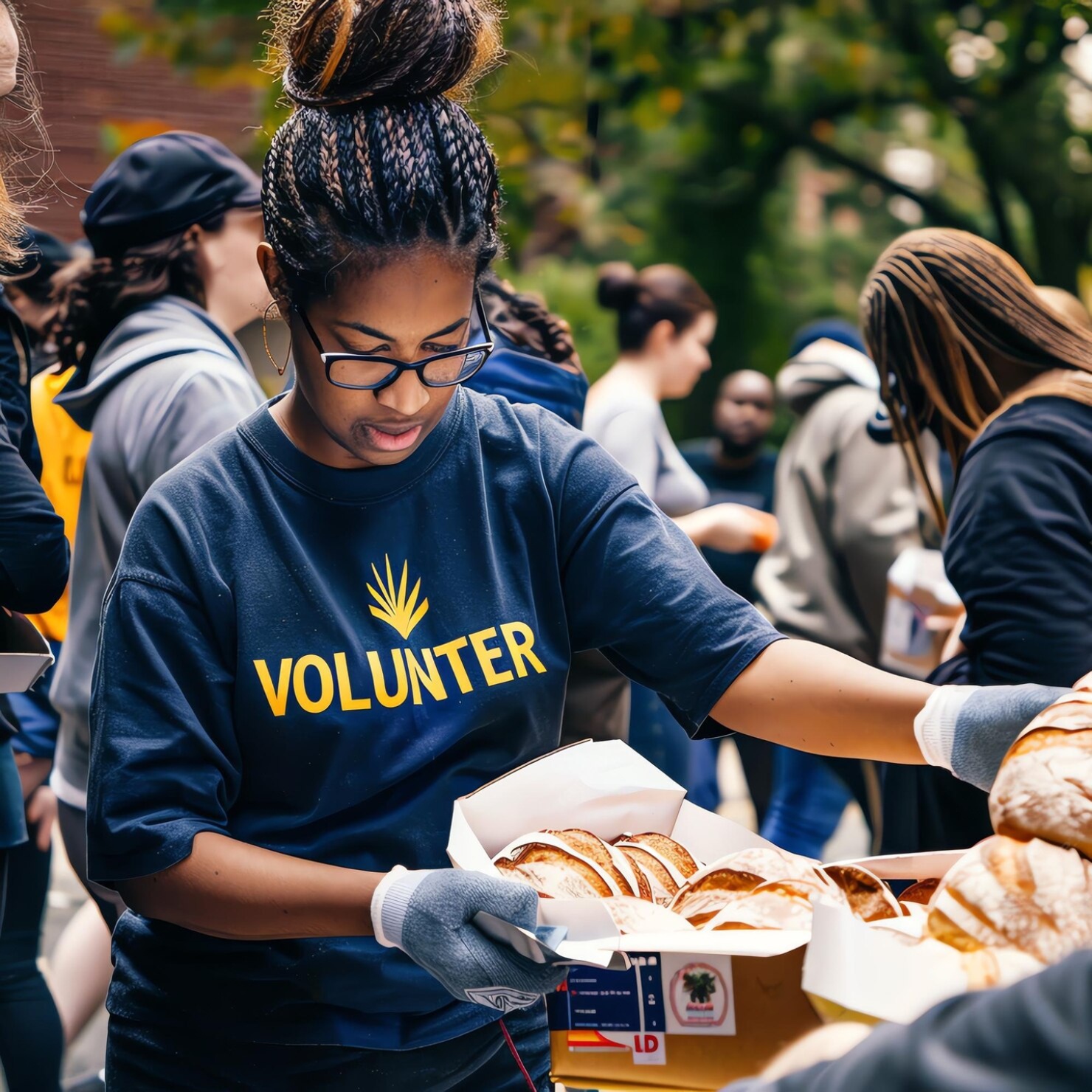
CareBridge is CARA's community outreach and linkage platform. It identifies households with unmet care needs and connects them to essential health, education, and social services. By bridging the gap between families and formal systems, CareBridge ensures that vulnerable individuals, from new mothers to children with special needs and the elderly, are not left behind.